Poland has become an increasingly attractive destination for foreign professionals thanks to its growing economy, affordable cost of living, and strong demand for skilled workers 💼📈.
If you plan to work in Poland, it’s important to understand the Polish work visa process.
🛂 Types of Work Permits in Poland
Foreigners (non-EU/EEA nationals) must obtain a work permit to legally work in Poland. The main types are:
🔹 Type A
- For workers employed directly by a Polish employer
- Most common permit for regular employment 👩💼
🔹 Type B
- For board members staying in Poland over 6 months during a 12-month period 🧑💼
🔹 Type C, D & E
- For intra-company transfers, delegations, and employer-specific postings 🌐
Most foreign employees use Type A, as it covers standard jobs in Polish companies.
🧾 How to Get a Polish Work Visa
1️⃣ Secure a Job Offer
You must first receive a job offer from a legally registered employer in Poland 🤝.
2️⃣ Employer Applies for Work Permit
- Your employer applies at the Voivodeship Office (provincial authority) 🏢
- Processing time: 4–8 weeks ⏳
- The permit will include:
✔ Job title
✔ Salary
✔ Contract duration
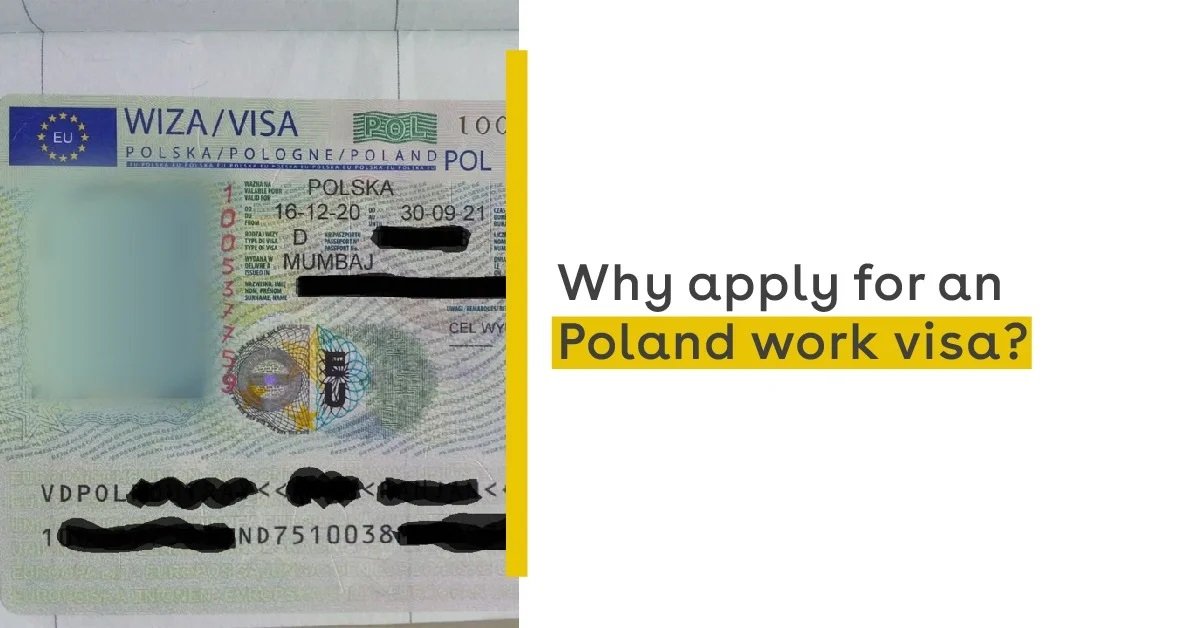
3️⃣ Apply for a National D-Type Visa
After receiving the work permit, you apply for a National D visa at the nearest Polish consulate in your home country ✈️.
📋 Required Documents
📌 Valid passport
📌 Work permit (issued by your employer)
📌 Recent passport photos
📌 Employment contract
📌 Proof of accommodation
📌 Visa application form
📌 Health insurance
🏠 After Arrival in Poland
Within 4 days of arriving in Poland:
✔ Report your address at the local municipal office
✔ Apply for a Temporary Residence Card (Karta Pobytu), which allows you to stay long-term in Poland 🪪
🏁 Conclusion
Though the Polish work visa process involves coordination between the employer and employee, it is straightforward when all documents are prepared properly 📑✔️.
With a valid job offer and correct paperwork, you can smoothly begin an exciting professional journey in Poland 🇵🇱💼✨.